The short answer
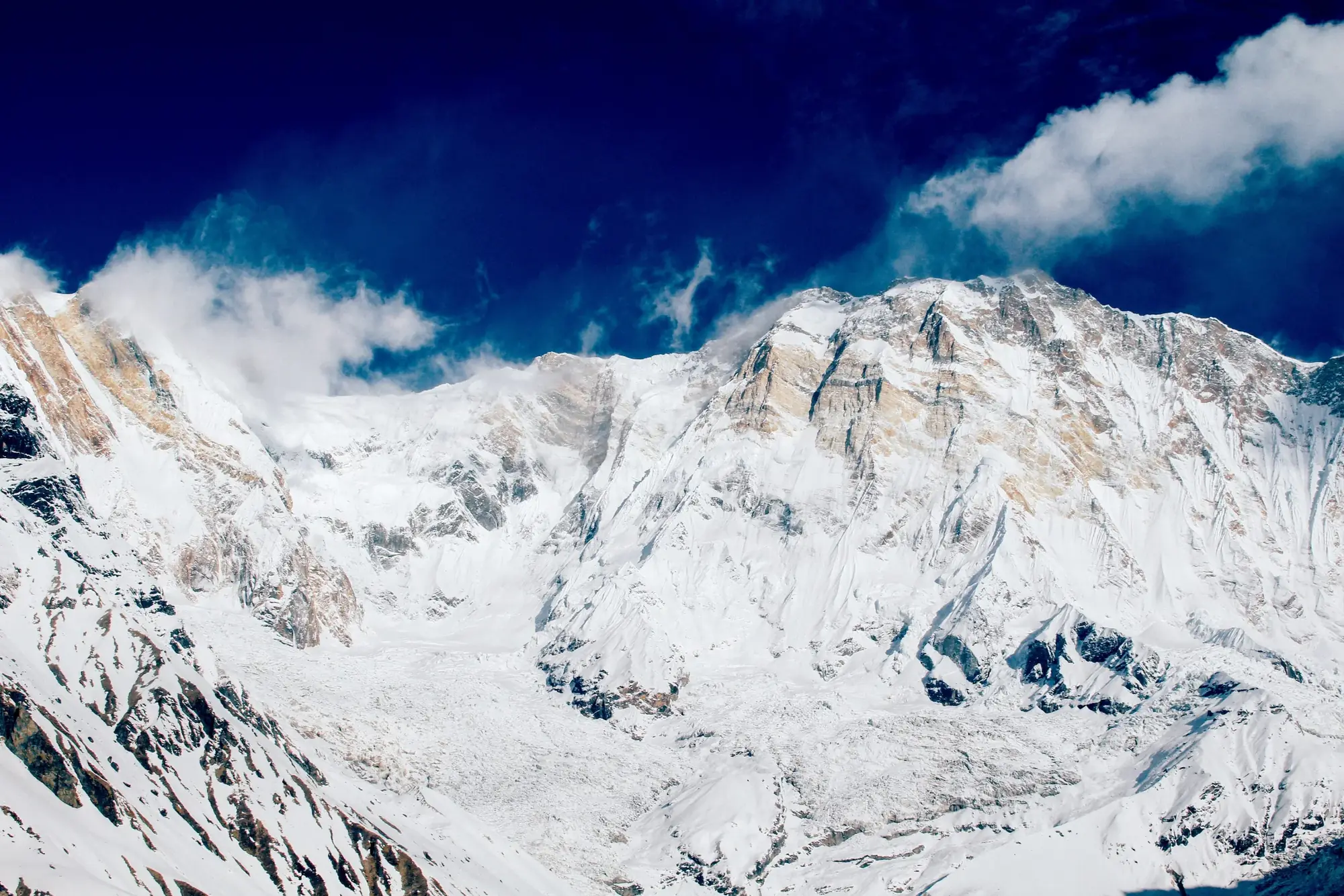
You can reach Annapurna Base Camp (4,130m) in winter, but it’s a different trip. Nights at base camp can fall to around −20°C, snow covers the upper trail, and the stretch below Machhapuchhre Base Camp is exposed to avalanches. Heavy snow can close the trail for days, and the trek takes longer: about ten days rather than a week. The reward is quiet trails, clear skies and, once the snow is in, a basin you can ski.
See every skiable peak in Nepal on our map →
| Altitude | Annapurna Base Camp 4,130m. Machhapuchhre Base Camp about 3,700m. |
|---|---|
| Winter | December to February. The coldest, quietest weeks. |
| Night temperatures at base camp | Can fall to around −20°C. |
| Trek length | About a week normally; ten days or more in deep snow. |
| Main hazard | Avalanches on the trail between Deurali and Machhapuchhre Base Camp. |
| Permits | ACAP entry permit and TIMS card, through a licensed agency with a licensed guide. |
What changes in winter
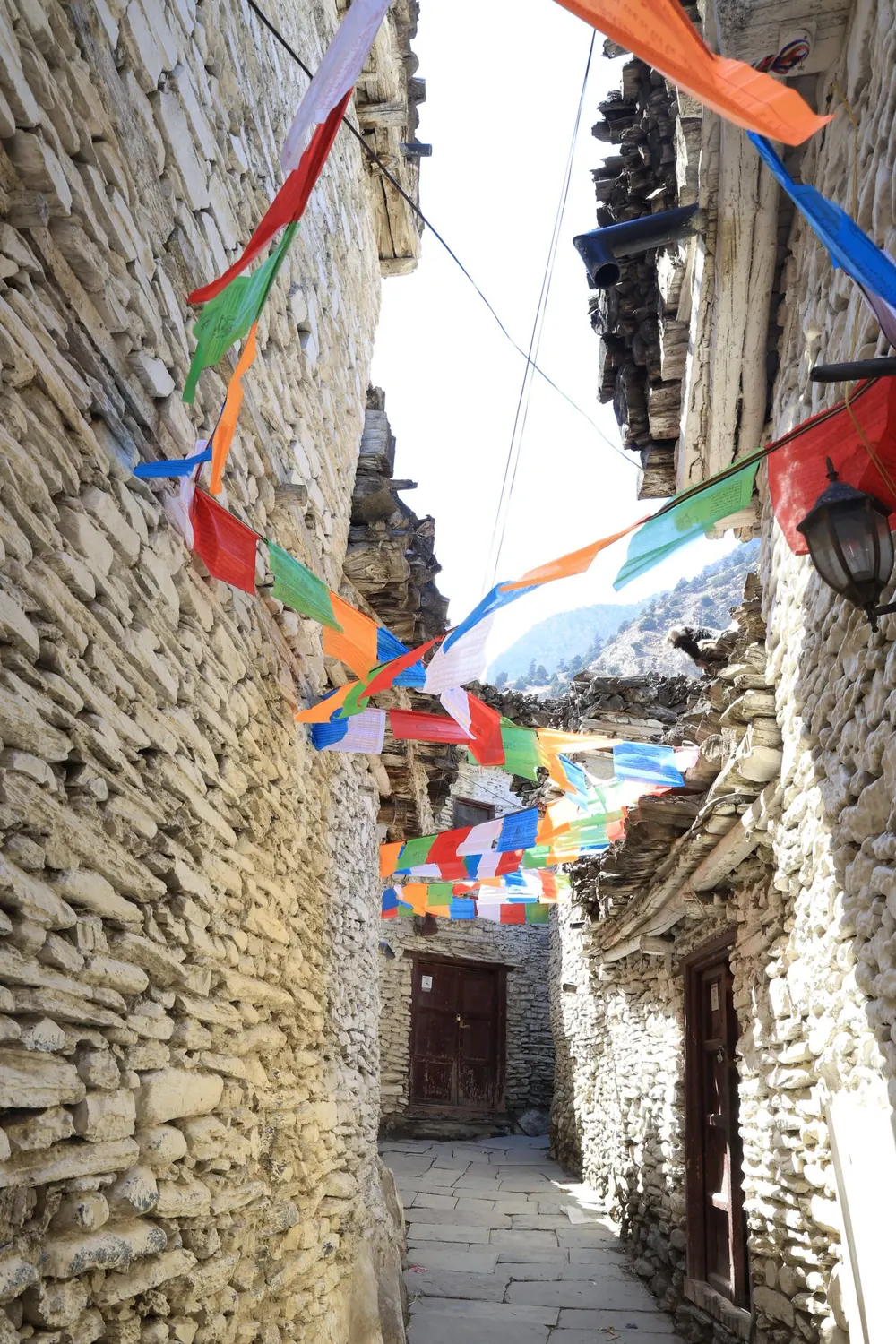
The walk in is the same: up from the Modi Khola valley through Gurung villages, rhododendron forest and bamboo, into the Annapurna Sanctuary. In winter, snow usually starts around Deurali and the last day to base camp can be deep going. Days are short, mornings are clear and the cold is serious once the sun drops. At base camp the temperature can hit −20°C.
Most teahouses on the main route stay open, but fewer people are on the trail and some lodges close in the coldest spells. Check with your agency before you set off, and bring a sleeping bag rated for the cold.
The avalanche section
Above Deurali the trail runs along the bottom of steep slopes up to Machhapuchhre Base Camp. After heavy snow, avalanches can cross it. In January 2020 an avalanche there buried seven people, four South Korean trekkers and three Nepali guides, who had set off despite weather warnings.
When snow is heavy, the authorities close the trail. It happens in autumn too: in late October 2025 the route was shut for several days after a big snowfall. If your guide says wait, wait. Build spare days into a winter trip.
Permits and guides
You need an Annapurna Conservation Area (ACAP) permit and a TIMS card. Since April 2023, foreign trekkers have had to trek with a licensed guide and get their TIMS card through a registered agency; the TIMS card costs Rs 2,000 for most nationalities. On a guided ski trip, all of this is arranged for you.
Why trek it when you can ski it?
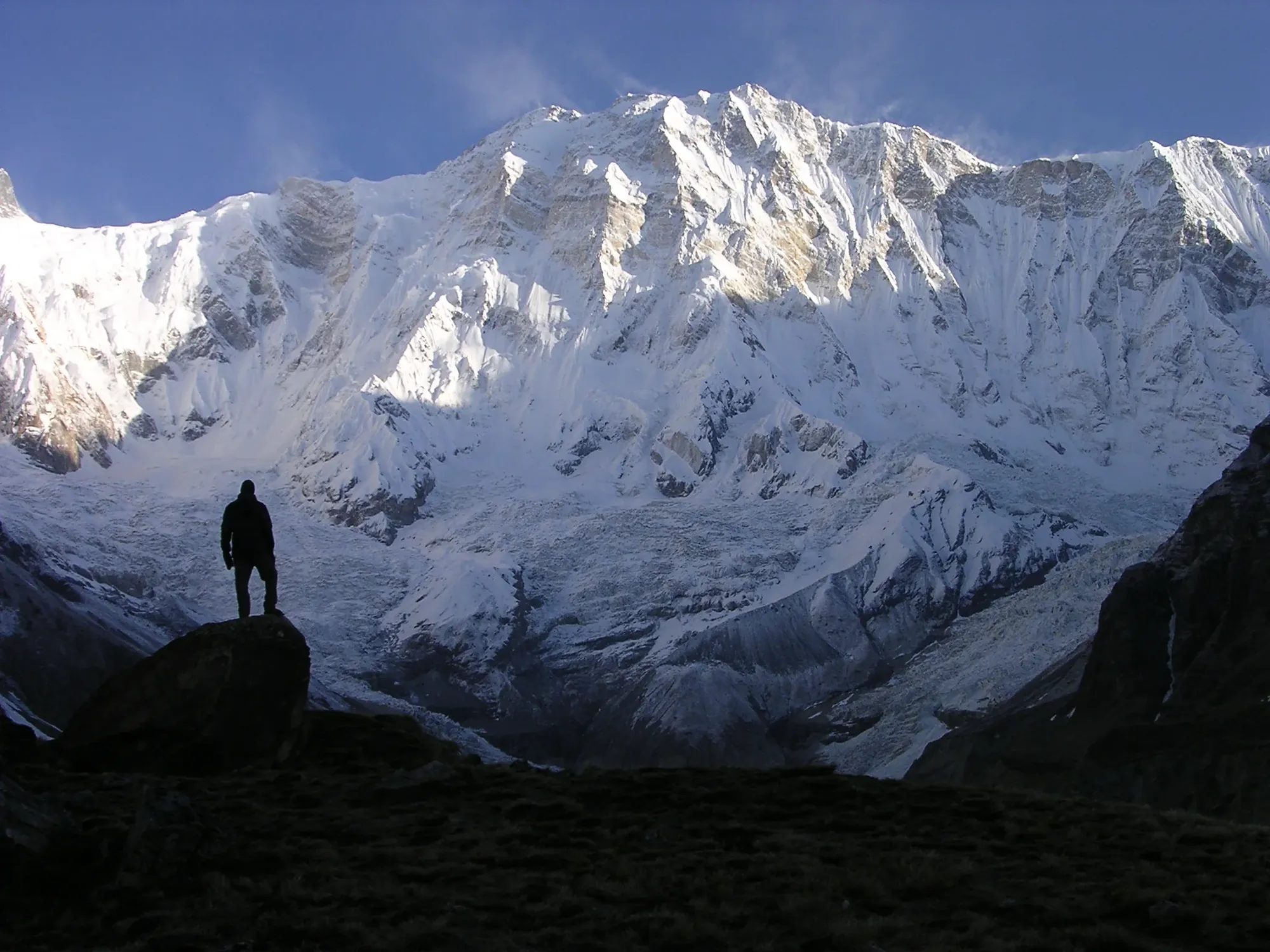
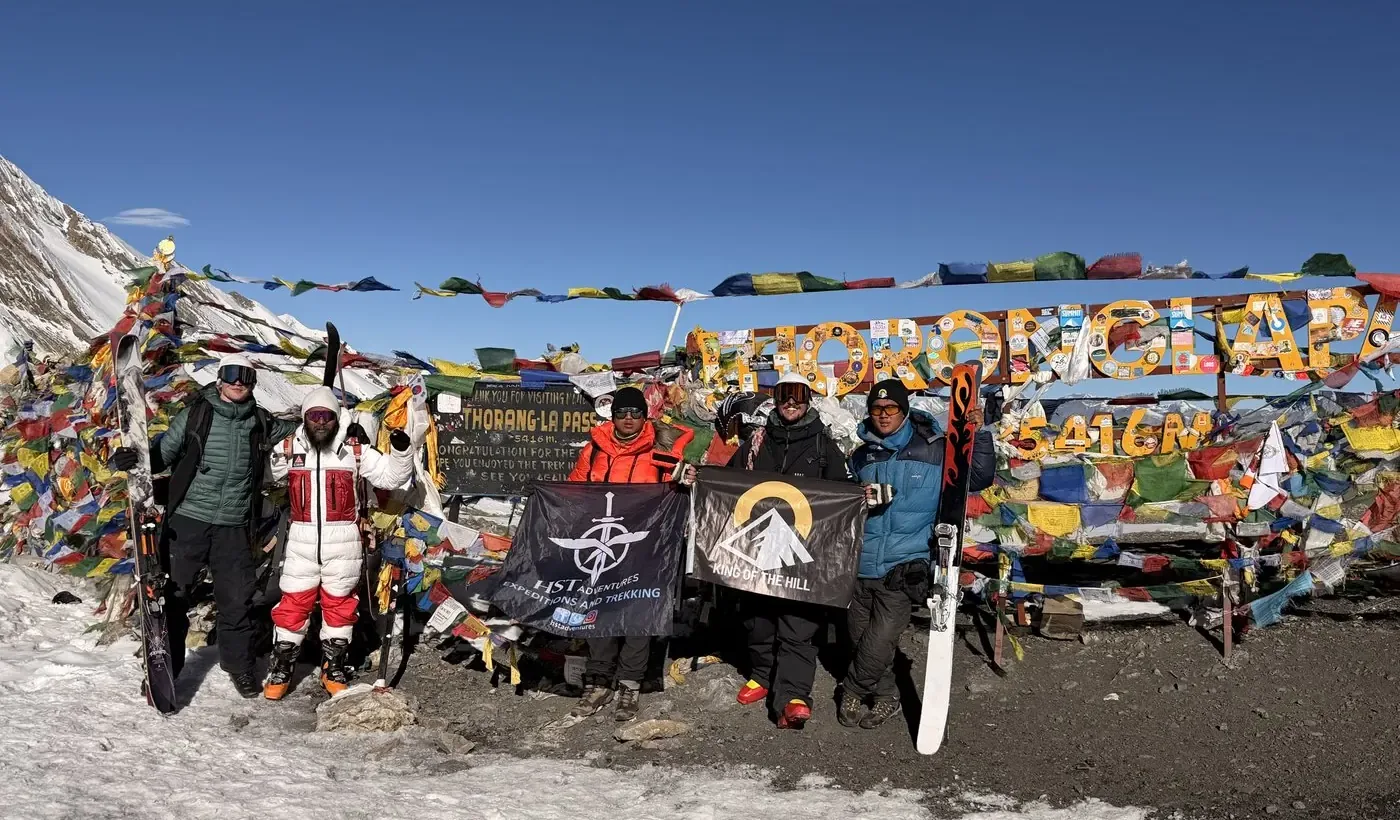
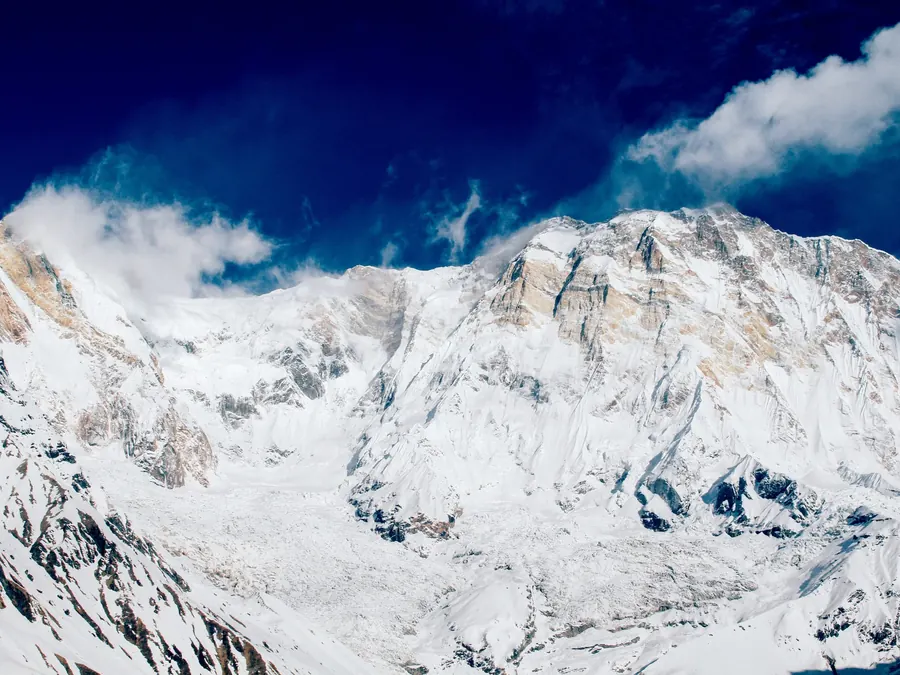
The Sanctuary is a ring of 7,000m peaks with Annapurna I at its head, and the basin above base camp is open, rolling ground. Once it’s covered, it’s some of the best beginner touring terrain in Nepal: you walk in as trekkers do, then spend your days on skins and skiing back down to the lodge.
That’s the idea behind our Annapurna Sanctuary Ski Tour: two weeks, four days skiing around base camp, and no touring experience needed. We run it in late autumn and early March, either side of the coldest weeks. Snow cover varies from year to year, and the guides choose where to ski on the day.
When to go
- October to November: the main trekking season. Clear and busy; early snow is possible high up.
- December to January: coldest and quietest. Good for trekkers who are well equipped and flexible.
- February to April: the best months for ski touring in the Annapurna region, with more snow and longer days.
More detail in our month-by-month guide.
Questions
Is Annapurna Base Camp open in winter?
Usually, yes. Most teahouses on the main route stay open, but the trail can close for days after heavy snow, so build in spare days.
How cold is Annapurna Base Camp in winter?
Nights at base camp can fall to around −20°C. Days are often clear and much warmer in the sun.
Is it safe to trek to ABC in winter?
It can be, with a licensed guide and flexible dates. The main risk is avalanches between Deurali and Machhapuchhre Base Camp after heavy snow. Follow closures and your guide’s call.
Can you ski at Annapurna Base Camp?
Yes, when there’s snow. The basin around base camp is good touring terrain for first-timers. February to April is the most reliable time.
Do I need a guide for Annapurna Base Camp?
Yes. Since April 2023, foreign trekkers in Nepal’s main trekking areas need a licensed guide and a TIMS card issued through a registered agency.
Sources
- Nepali Times: The ABCs of a winter trek in Nepal
- Onlinekhabar: Avalanche risk on the Annapurna Base Camp trek
- Kathmandu Post: Trekkers return to Annapurna trail after avalanche (2020)
- Kathmandu Post: Tourism board issues weather alert, ABC route closed (Oct 2025)
- The Himalayan Times: NTB revises provisions for trekkers (2023)
- Nepal News: Nepal bans solo trekking for foreigners (2023)